What is the fastest charging EV?
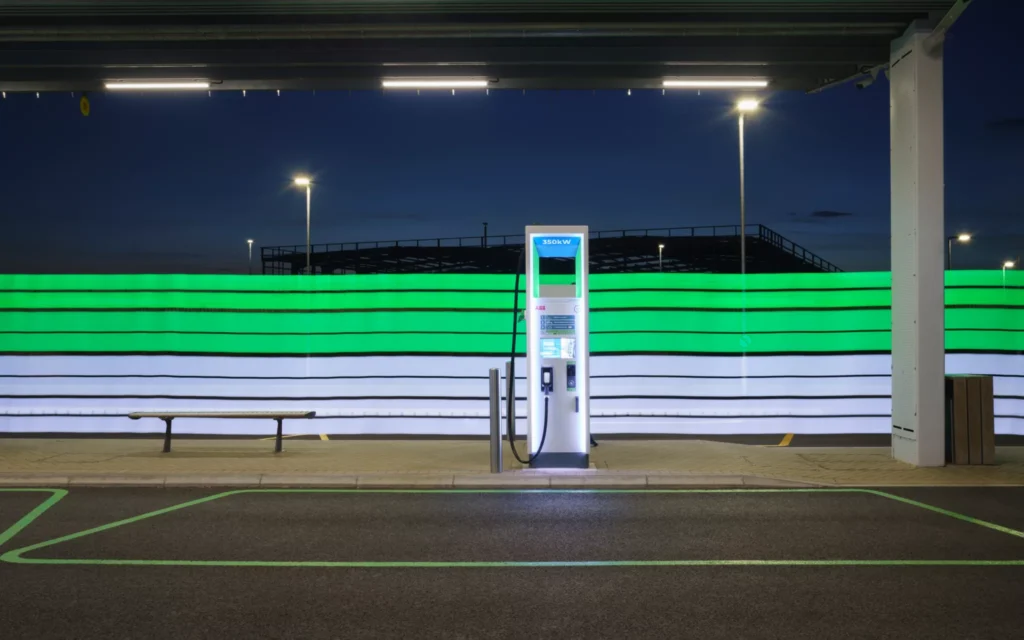
Top speed is no longer the holy grail when it comes to electric cars. It’s the speed at which you can recharge the car’s battery that’s much more important. So what is the fastest charging EV?
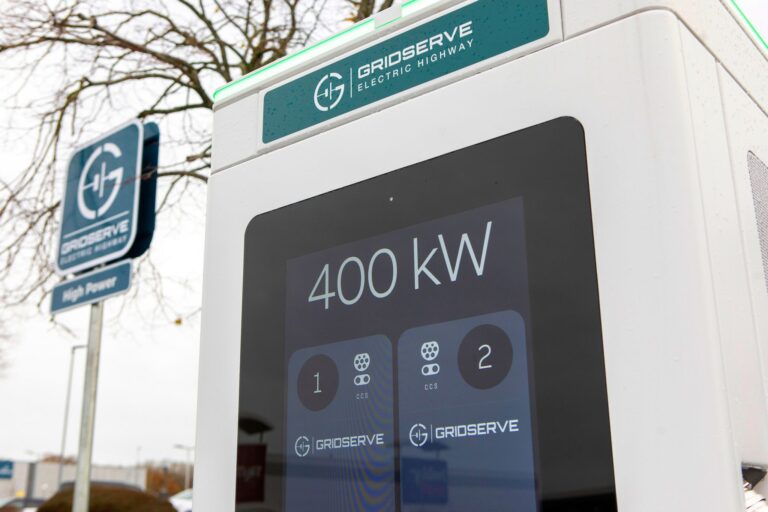
Consider this then, the ultimate version of speed dating. How quickly can you plug into one of our High Power chargers and hit the road again with your battery replenished?
To make sense of the rankings we need to first explain some science. I know, worst date ever, right? But bear with us, first impressions aren’t everything…
Charging speed and efficiency explained
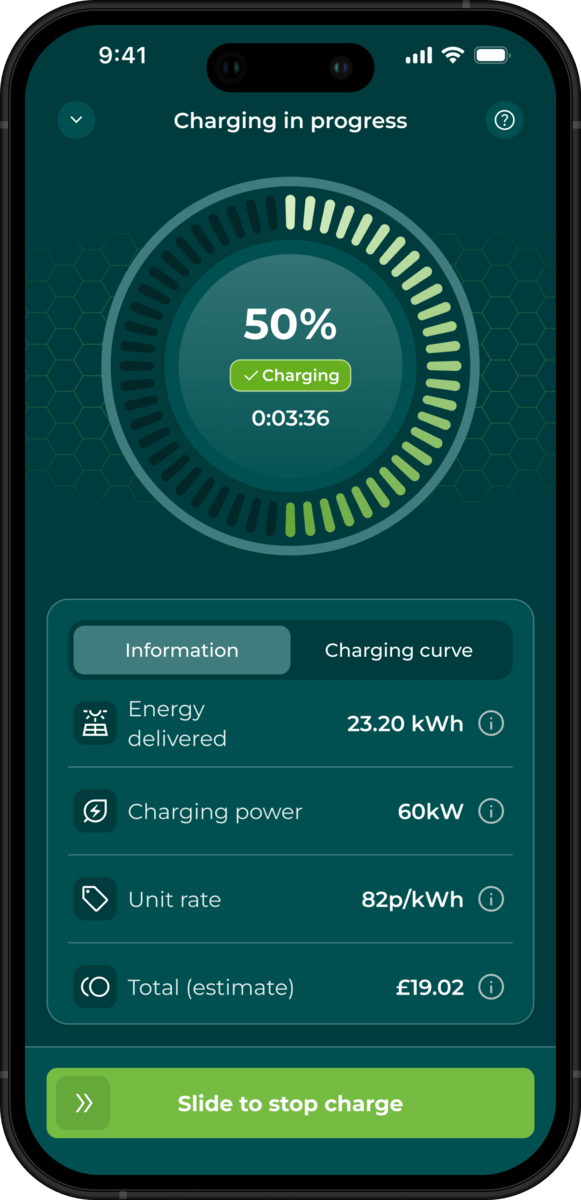
When it comes to electric vehicles, the maximum charging speed is a game-changer. This metric, measured in kilowatts (kW), determines how quickly an EV can recharge its battery, making it a crucial factor for anyone considering an electric car. Think of it as the EV equivalent of horsepower in traditional cars – the higher the number, the faster the performance. The maximum charging speed varies significantly across different models. You’ll see many cars claim 150kW+ charging capability while some of the latest top-end models like the Porsche Taycan are now capable of achieving over 300kW. This means you can get back on the road with a nearly full battery in under 20 minutes. These impressive figures are made possible by advanced battery technology, high-capacity batteries, and cutting-edge EV chargers. You’ll only ever achieve this advertised top rate for a short period, usually at around 50% State of Charge (SoC). Think of it like sprinting, it takes a bit of time to get going out the blocks, then you’re like Usain Bolt, but you can only keep going for a short while before you need to ease off. This is what’s known as the charging curve. Each car has a different charging curve, and some models are able to sustain their peaks for longer, which means the average power across a whole charge is higher – and for you, that means a quicker charge. In practical terms, though, a higher maximum charging speed translates to less time spent at charging stations and more time enjoying the open road. Whether you’re planning a long-distance road trip or just need a quick top-up during your daily commute, these rapid charging capabilities make electric vehicles more convenient and user-friendly than ever before.
The fastest charging electric cars
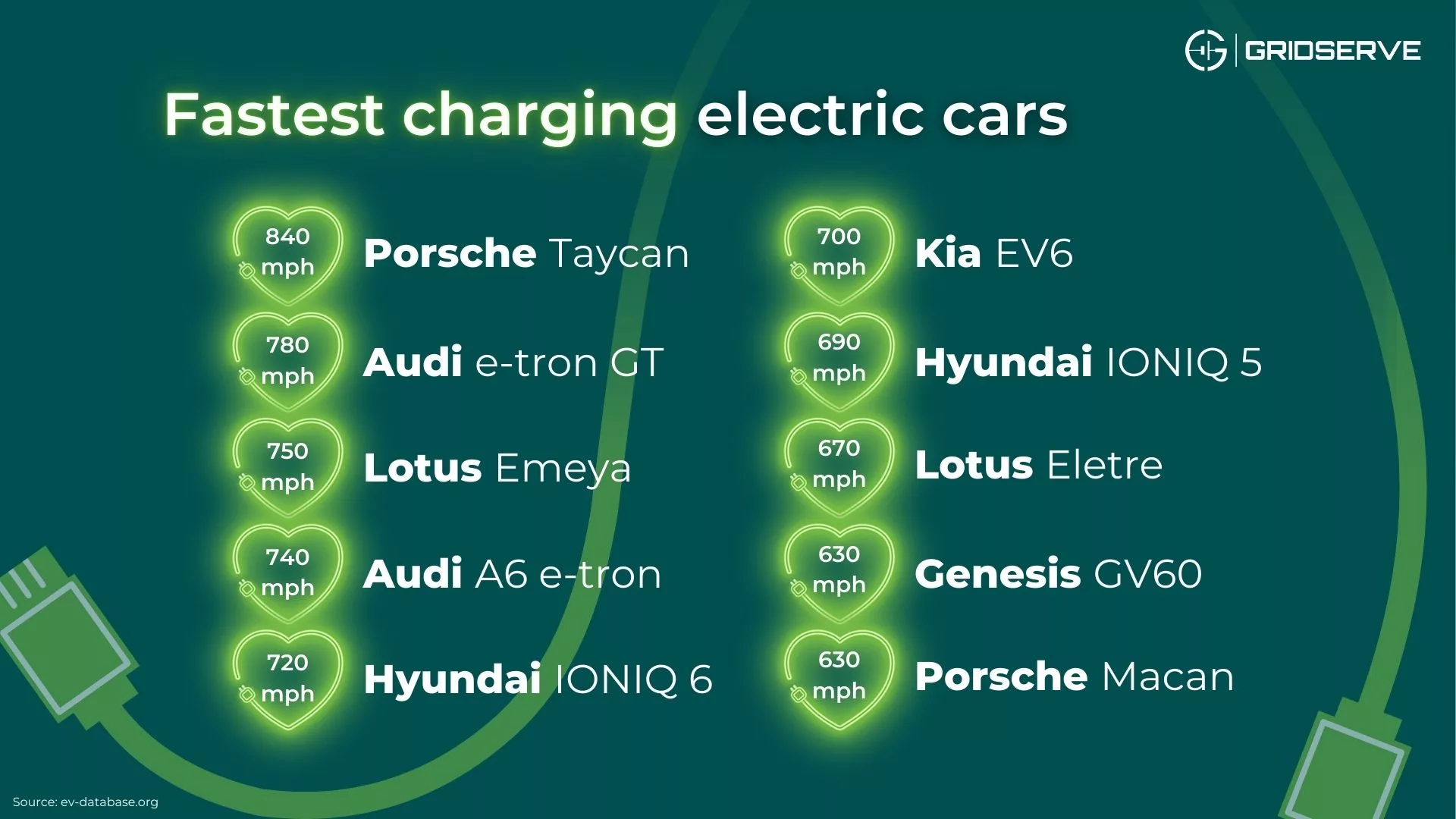
See, we told you it was good pillow talk. The charging curve is the same reason that once you get above 80% the car will slow the maximum charging power to avoid the cell voltages exceeding their limit. And that takes us onto our speed dating scoreboard. As we’ve explained above, just quoting the maximum power capability is not enough to really tell which car is fastest at charging. Instead, we’re using figures from ev-database.org, which has calculated a “miles per hour” charging figure. This takes the average power of a car across a 10 to 80% charge and calculates how many miles it would add over the course of an hour The Porsche Taycan – freshly updated with higher power charging – takes top spot ahead of the Audi e-tron GT, which shares most of its under-the-body engineering with the Taycan. That’s followed by the Lotus Emeya, with the Eletre also featuring in the top 10. On the more affordable end of the scale, the Kia EV6 and Hyundai IONIQ 5 deserve honourable mentions for delivering incredible charging performance that doesn’t break the bank.1. Porsche Taycan
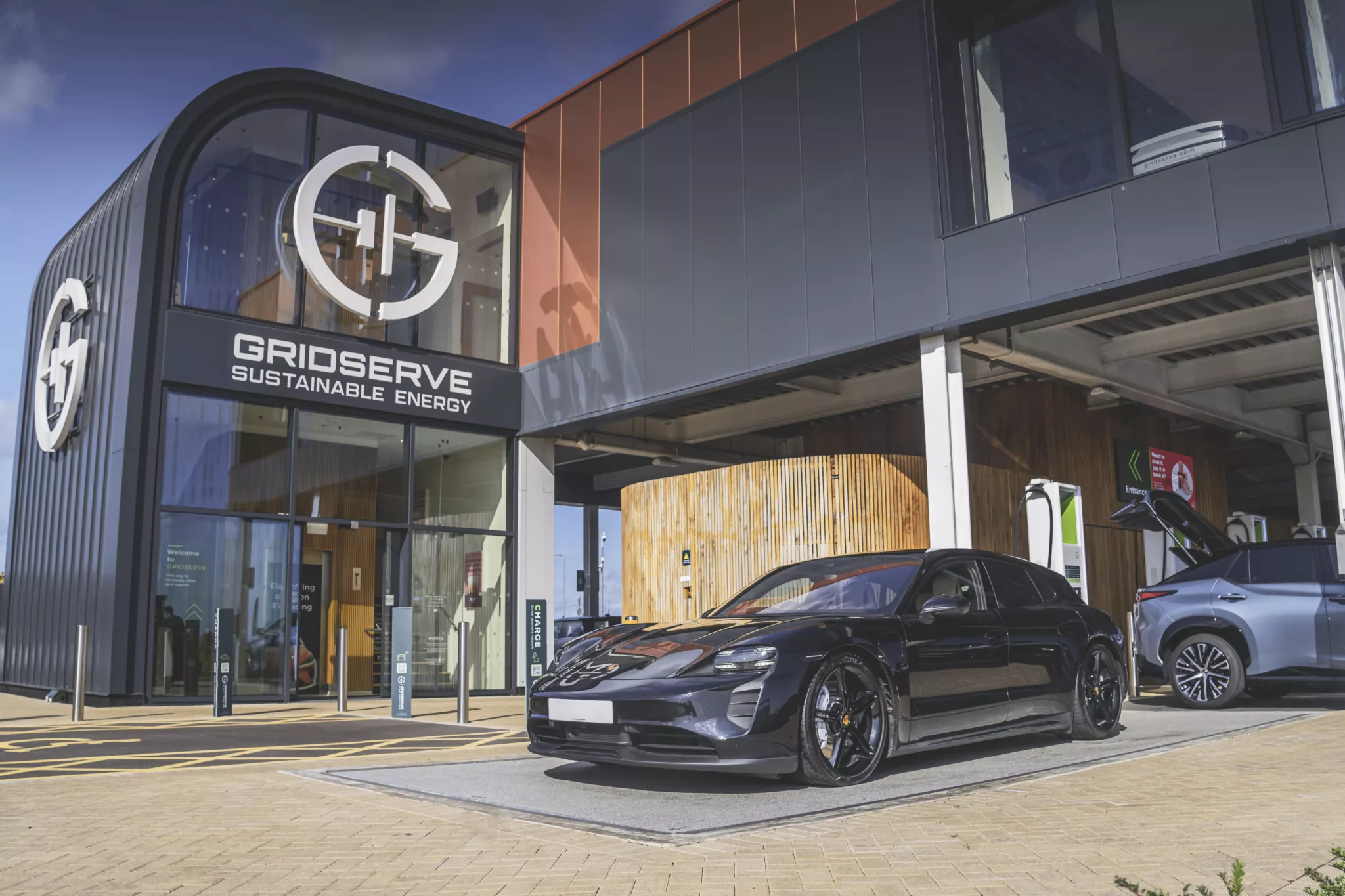
- Charging speed: 840mph
- Maximum charging rate: 320kW
- Real-world range: 360 miles
2. Audi e-tron GT
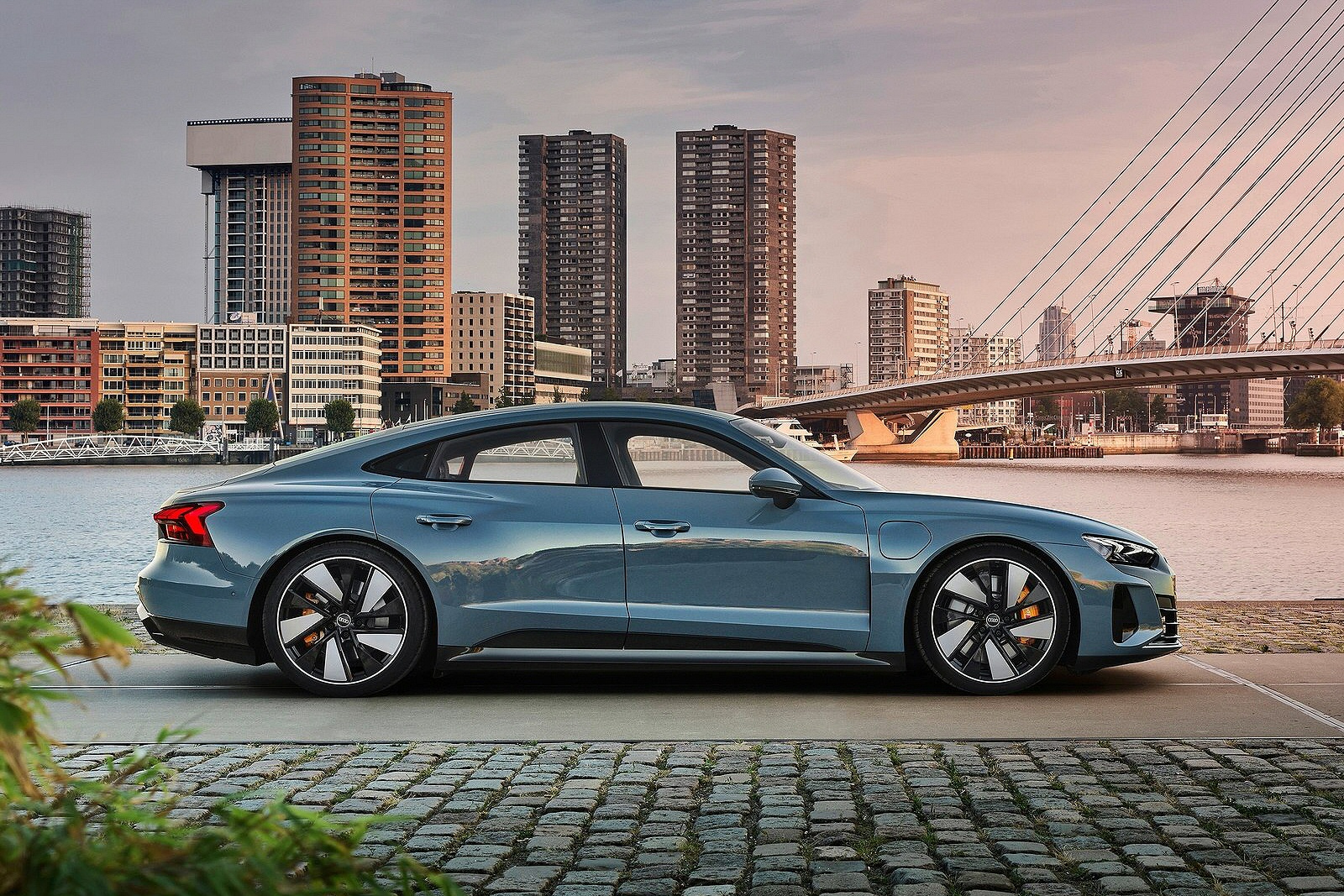
- Charging speed: 780mph
- Maximum charging rate: 320kW
- Real-world range: 335 miles
3. Lotus Emeya
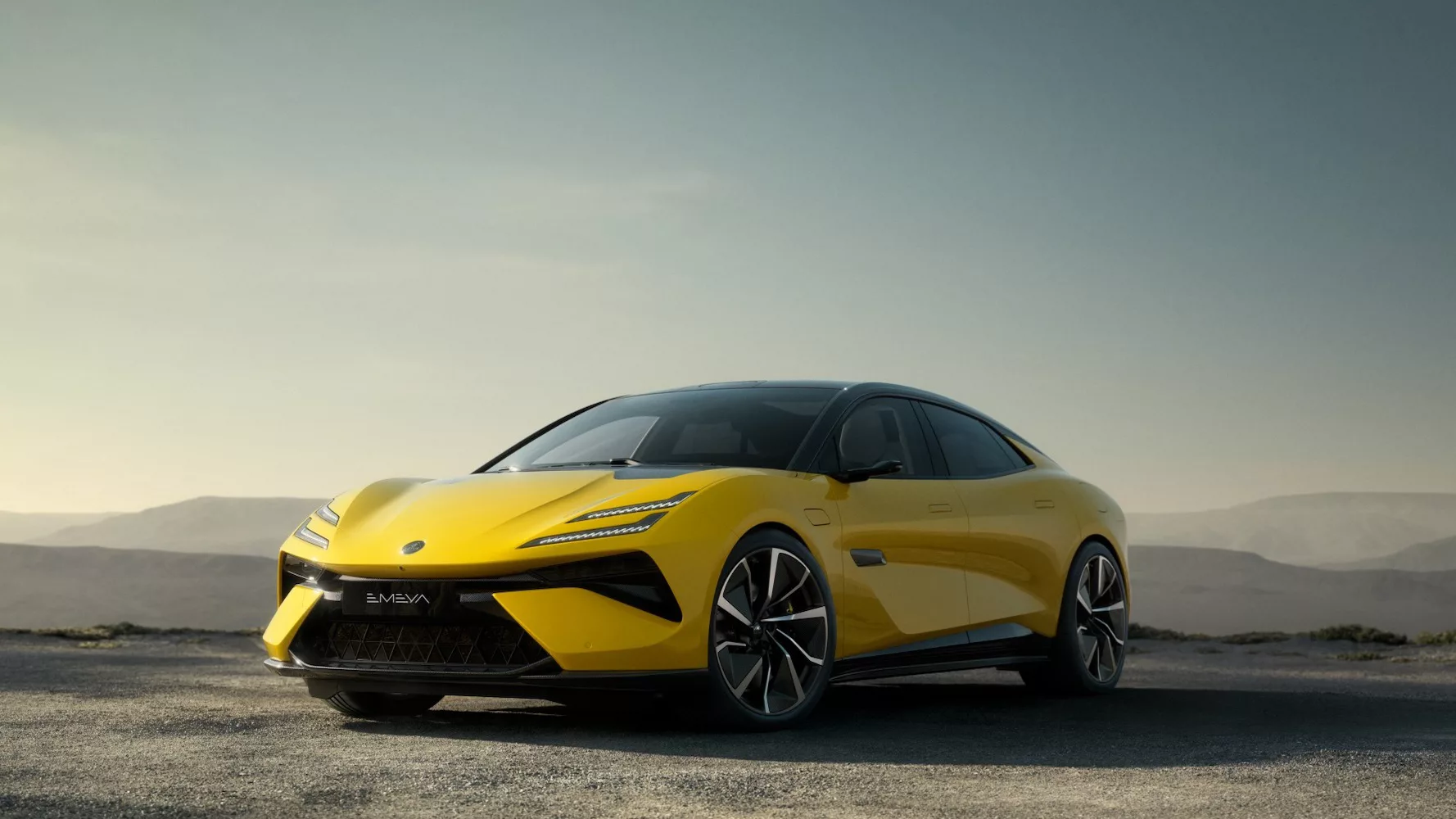
- Charging speed: 750mph
- Maximum charging rate: 350kW
- Real-world range: 325 miles
4. Audi A6 Sportback e-tron
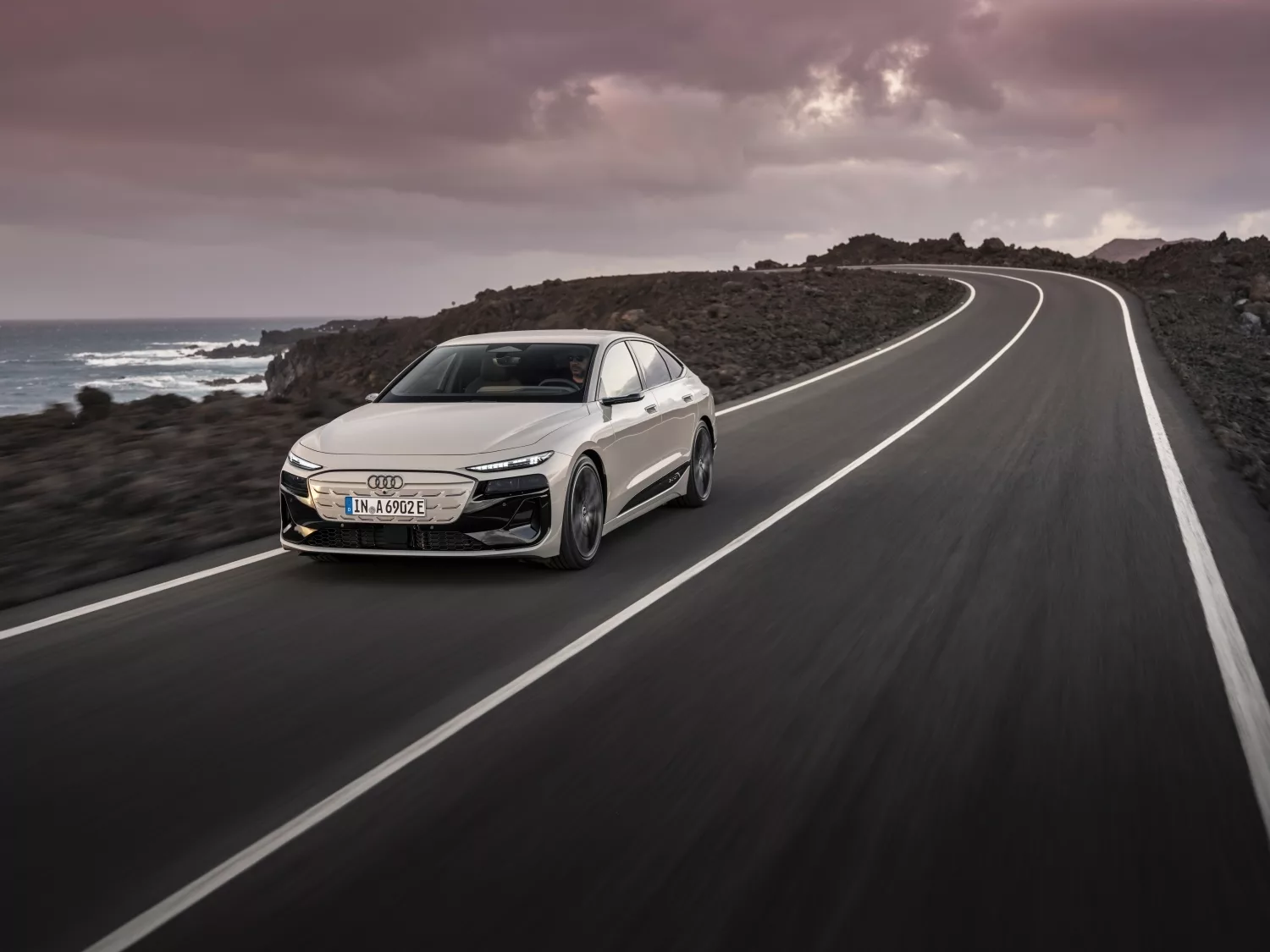
- Charging speed: 740mph
- Maximum charging rate: 270kW
- Real-world range: 370 miles
5. Hyundai IONIQ 6
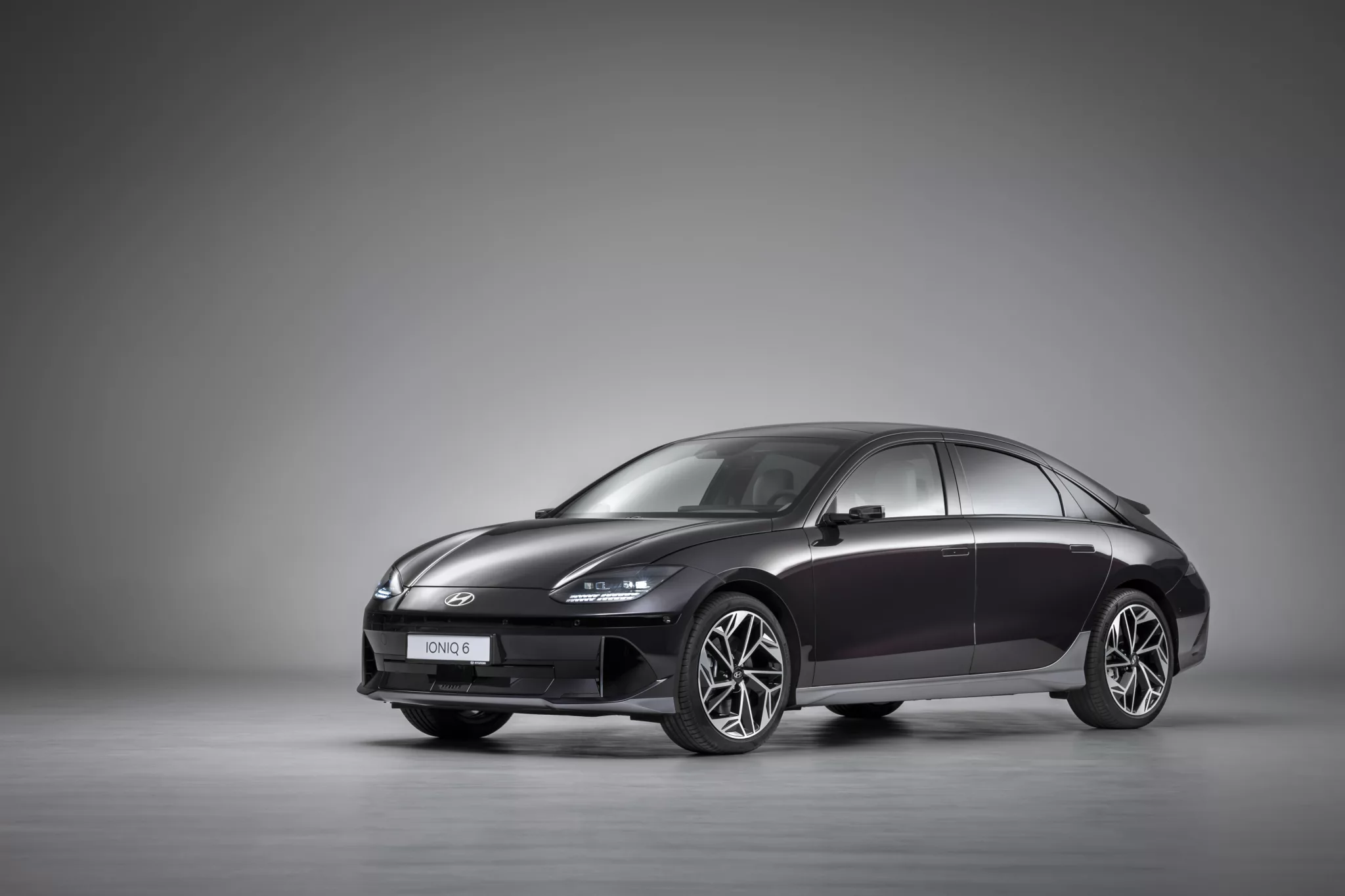
- Charging speed: 720mph
- Maximum charging rate: 233kW
- Real-world range: 275 miles
6. Kia EV6
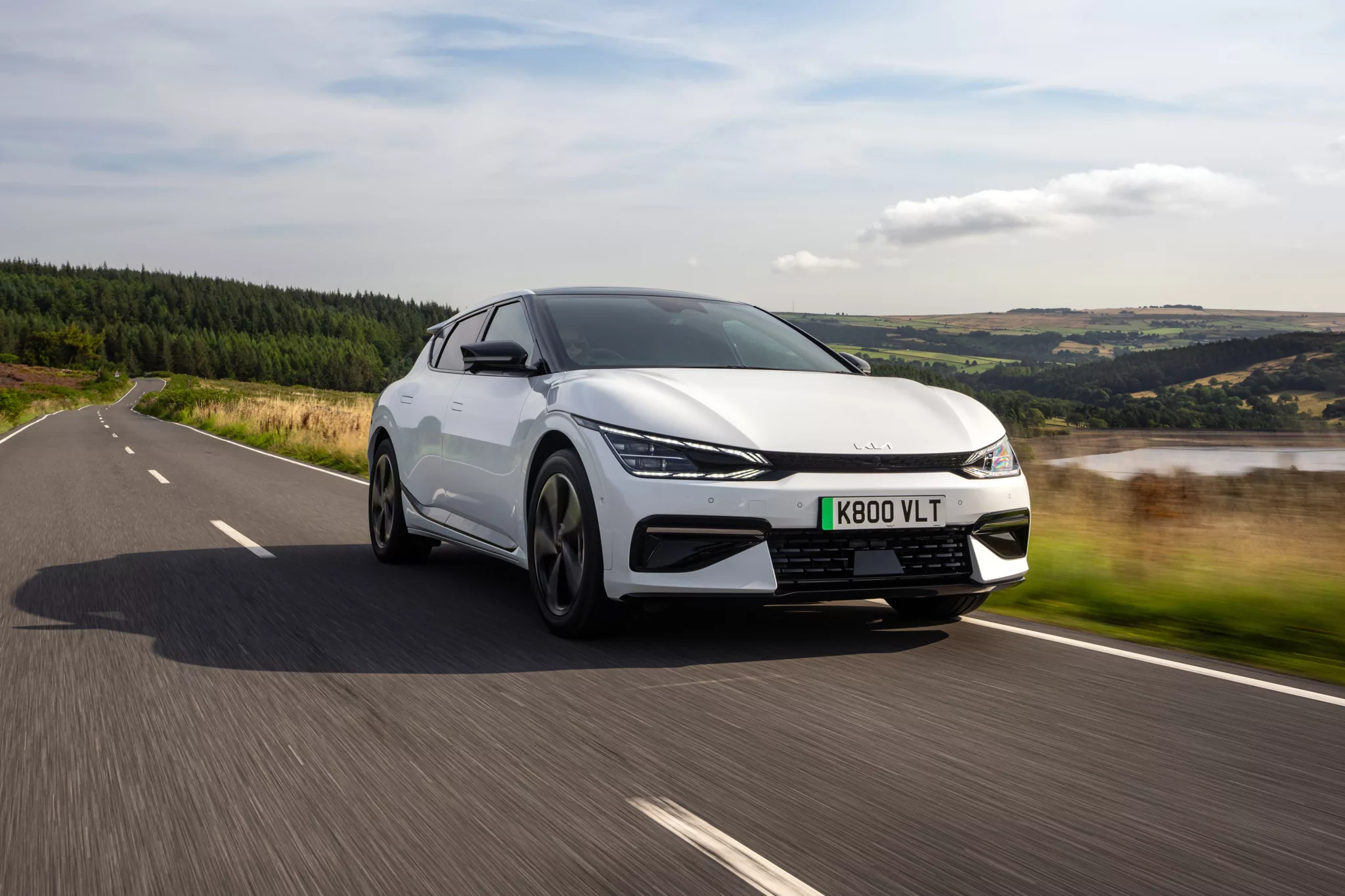
- Charging speed: 700mph
- Maximum charging rate: 263kW
- Real-world range: 285 miles
7. Hyundai IONIQ 5
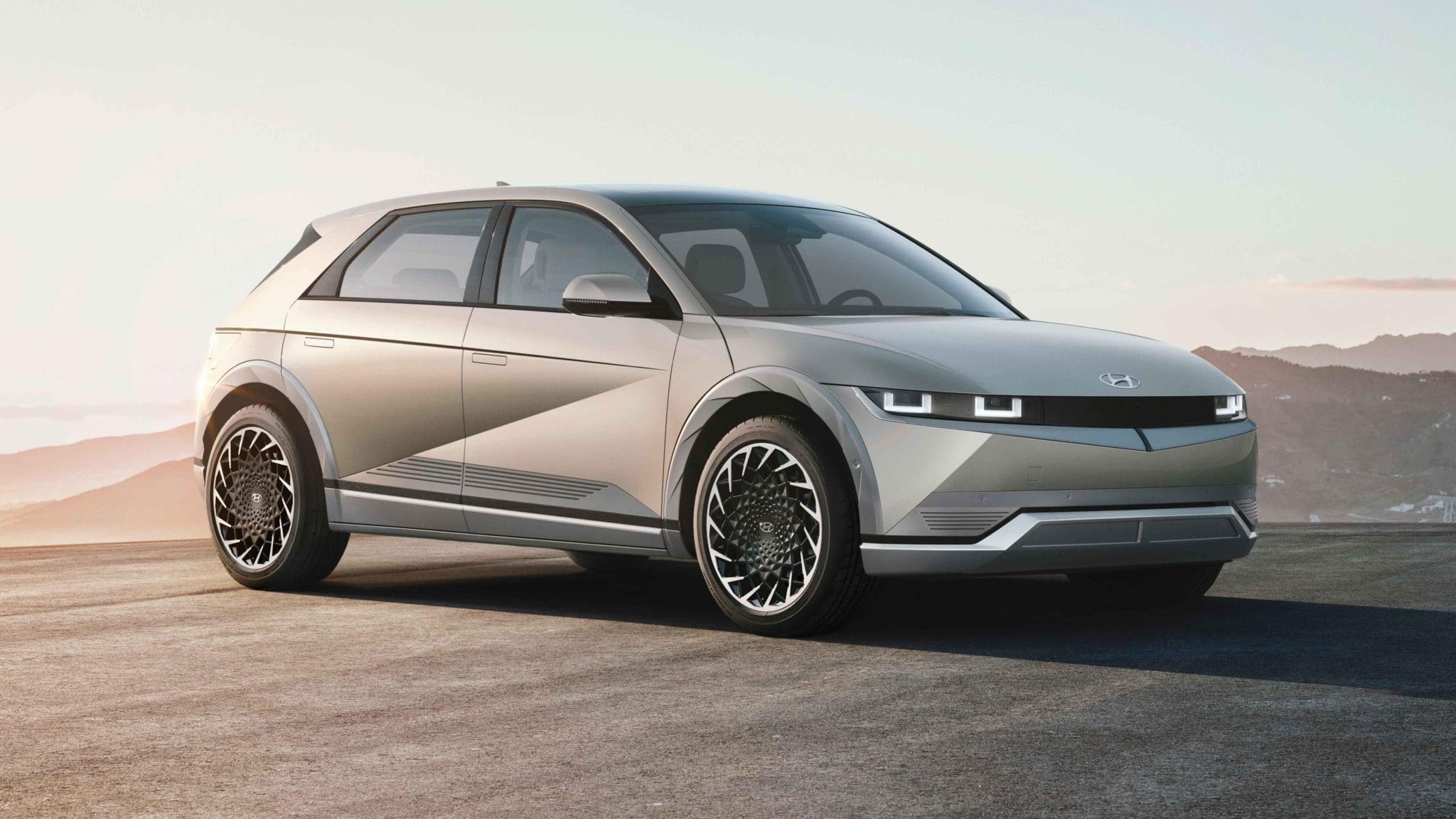
- Charging speed: 690mph
- Maximum charging rate: 263kW
- Real-world range: 280 miles
8. Lotus Eletre
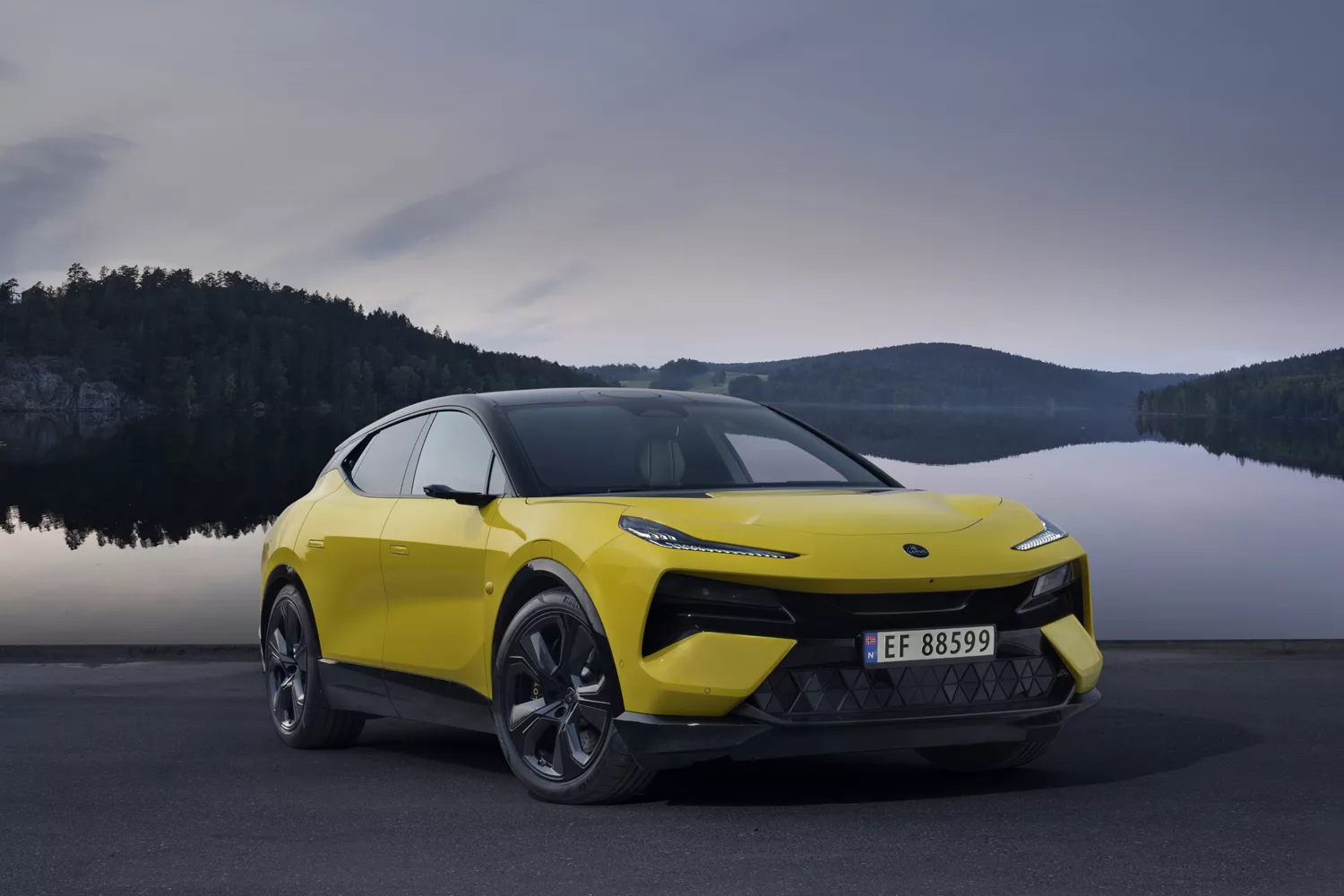
- Charging speed: 670mph
- Maximum charging rate: 367kW
- Real-world range: 305 miles
9. Genesis GV60
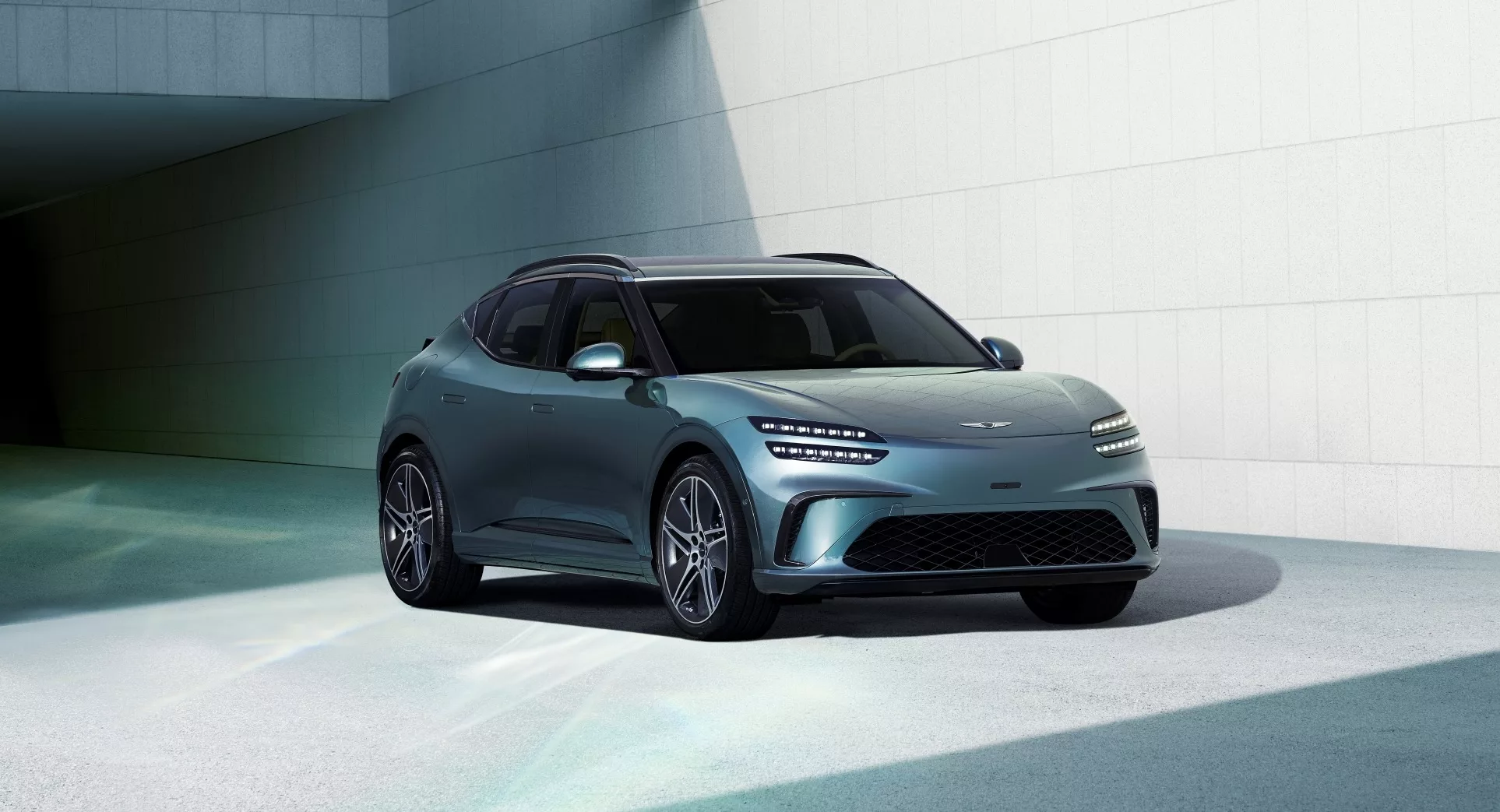
- Charging speed: 630mph
- Maximum charging rate: 233kW
- Real-world range: 240 miles
10. Porsche Macan
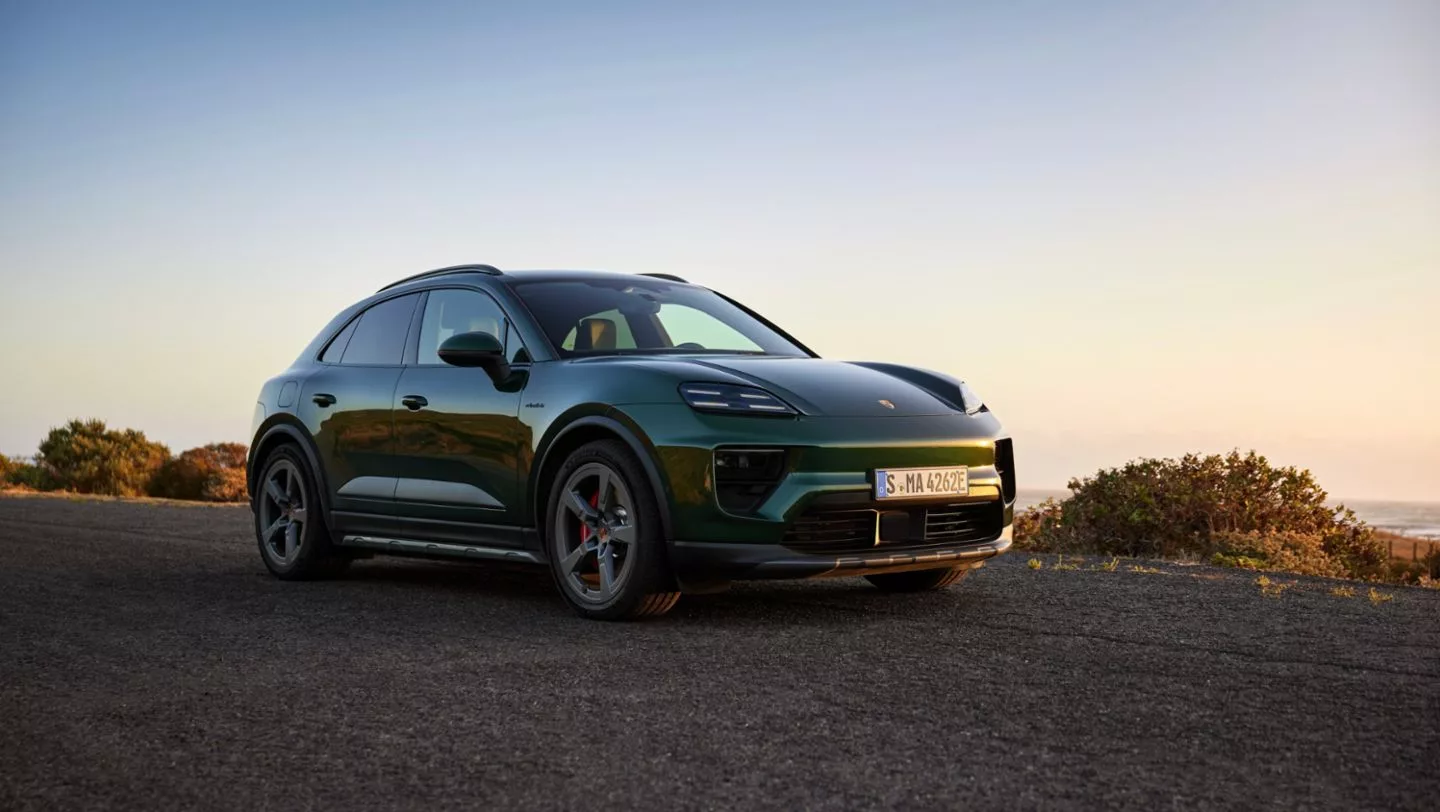
- Charging speed: 630mph
- Maximum charging rate: 270kW
- Real-world range: 315 miles
What is the fastest charging EV?
Top speed is no longer the holy grail when it comes to electric cars. It’s the speed at which you can recharge the car’s battery that’s much more important. So what is the fastest charging EV?
Consider this then, the ultimate version of speed dating. How quickly can you plug into one of our High Power chargers and hit the road again with your battery replenished?
To make sense of the rankings we need to first explain some science. I know, worst date ever, right? But bear with us, first impressions aren’t everything…
Charging speed and efficiency explained
When it comes to electric vehicles, the maximum charging speed is a game-changer. This metric, measured in kilowatts (kW), determines how quickly an EV can recharge its battery, making it a crucial factor for anyone considering an electric car. Think of it as the EV equivalent of horsepower in traditional cars – the higher the number, the faster the performance. The maximum charging speed varies significantly across different models. You’ll see many cars claim 150kW+ charging capability while some of the latest top-end models like the Porsche Taycan are now capable of achieving over 300kW. This means you can get back on the road with a nearly full battery in under 20 minutes. These impressive figures are made possible by advanced battery technology, high-capacity batteries, and cutting-edge EV chargers. You’ll only ever achieve this advertised top rate for a short period, usually at around 50% State of Charge (SoC). Think of it like sprinting, it takes a bit of time to get going out the blocks, then you’re like Usain Bolt, but you can only keep going for a short while before you need to ease off. This is what’s known as the charging curve. Each car has a different charging curve, and some models are able to sustain their peaks for longer, which means the average power across a whole charge is higher – and for you, that means a quicker charge. In practical terms, though, a higher maximum charging speed translates to less time spent at charging stations and more time enjoying the open road. Whether you’re planning a long-distance road trip or just need a quick top-up during your daily commute, these rapid charging capabilities make electric vehicles more convenient and user-friendly than ever before.
The fastest charging electric cars
See, we told you it was good pillow talk. The charging curve is the same reason that once you get above 80% the car will slow the maximum charging power to avoid the cell voltages exceeding their limit. And that takes us onto our speed dating scoreboard. As we’ve explained above, just quoting the maximum power capability is not enough to really tell which car is fastest at charging. Instead, we’re using figures from ev-database.org, which has calculated a “miles per hour” charging figure. This takes the average power of a car across a 10 to 80% charge and calculates how many miles it would add over the course of an hour The Porsche Taycan – freshly updated with higher power charging – takes top spot ahead of the Audi e-tron GT, which shares most of its under-the-body engineering with the Taycan. That’s followed by the Lotus Emeya, with the Eletre also featuring in the top 10. On the more affordable end of the scale, the Kia EV6 and Hyundai IONIQ 5 deserve honourable mentions for delivering incredible charging performance that doesn’t break the bank.1. Porsche Taycan
- Charging speed: 840mph
- Maximum charging rate: 320kW
- Real-world range: 360 miles
2. Audi e-tron GT
- Charging speed: 780mph
- Maximum charging rate: 320kW
- Real-world range: 335 miles
3. Lotus Emeya
- Charging speed: 750mph
- Maximum charging rate: 350kW
- Real-world range: 325 miles
4. Audi A6 Sportback e-tron
- Charging speed: 740mph
- Maximum charging rate: 270kW
- Real-world range: 370 miles
5. Hyundai IONIQ 6
- Charging speed: 720mph
- Maximum charging rate: 233kW
- Real-world range: 275 miles
6. Kia EV6
- Charging speed: 700mph
- Maximum charging rate: 263kW
- Real-world range: 285 miles
7. Hyundai IONIQ 5
- Charging speed: 690mph
- Maximum charging rate: 263kW
- Real-world range: 280 miles
8. Lotus Eletre
- Charging speed: 670mph
- Maximum charging rate: 367kW
- Real-world range: 305 miles
9. Genesis GV60
- Charging speed: 630mph
- Maximum charging rate: 233kW
- Real-world range: 240 miles
10. Porsche Macan
- Charging speed: 630mph
- Maximum charging rate: 270kW
- Real-world range: 315 miles